
When investigating UFO and alien sightings in the past it became apparent that there was a need for a structured system for everyone to use. There are currently two different systems that are widely used by ufologists the Hynek System, and the Valle System named after the people that came up with them.
The Hynek System:
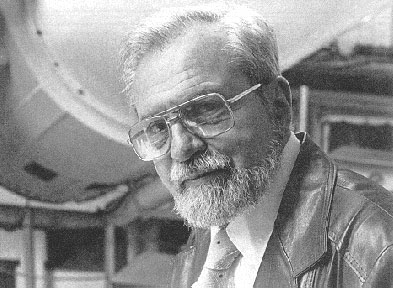
The Hynek system is the less used system today, but probably the most known by non ufologists.
Dr. Josef Allen Hynek was born in Chicago in 1910 and passed away in 1986. He was an astronomer and astrophysicist that worked with the US Air Force researching UFOs including, but not limited to project blue book. He was a brilliant and very well respected scientist that at first didn’t believe in UFOs, but after years of research with the Air Force he soon changed his mind.
NL (nocturnal light): a simple visual sighting of a unidentified flying light seen at night.
ND (nocturnal disc): a simple visual sighting of a unidentified flying extended or structured light source seen at night.
DD (daylight disc): A simple visual sighting of a UFO with distinct shape seen during the day.
Radar Visual Cases: UFOs observed visually whilst being simultaneously on radar. From Hynek’s study these make up 1 to 2% of reports.
What does close encounters of the whatever kind mean?
Close Encounters of the first kind (CE1, CEI): a CE1 is an observation of a UFO within 150 yards.
Close Encounters of the second kind (CE2, CEII): a UFO which leaves some form of physical evidence. Example: Broken grass or radiation or the finding of material of unknown makeup.
Close Encounters of the third kind (CE3, CEIII): a visual sighting of an occupant or entity associated with a UFO. An analysis by Hynek of 650 reports found only 1% to be CE3.
Close Encounters of the fourth kind (CE4, CEIV): an abduction of an individual by an alien being or race.
Close Encounters of the fifth kind (CE5, CEV): a direct contact or communication with alien being or race.
Leave a Reply