
Note: The re-creation imagery used in this article to represent details of the case are visual interpretations created from Captain Terauchi’s sketches, crew testimony, and FAA documentation. While every effort was made to keep them as accurate and faithful as possible, certain details of the encounter – such as the precise appearance and scale of the objects – remain based on varying accounts. These visuals are intended to illustrate the incident, not to serve as exact photographic records. Imagery of government documents are legitimate and verified, and are not reproductions or mockups.
Table of Contents
- Executive Summary
- Background
- FOIA History and Rediscovery of the Records
- Timeline of Events
- Primary Documentation
- Witness Accounts
- Media and Public Coverage
- Official Government Response
- Skeptical and Debunking Arguments
- Unresolved Questions
- Impact and Legacy
- Conclusion
- Source List
Executive Summary
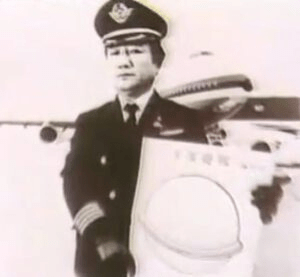
Captain Kenju Terauchi
Japan Air Lines (JAL) Flight 1628 – a Boeing 747 cargo freighter – was involved in one of the most noteworthy UFO encounters on record. On the evening of November 17, 1986, while flying over remote Alaska, the crew observed multiple unidentified objects with bright flashing lights maneuvering around their aircraft. The encounter lasted nearly 50 minutes and was tracked intermittently on both the plane’s onboard radar and by FAA air traffic control on the ground[1]. At one point the veteran captain, Kenju Terauchi, reported a huge unknown craft “twice the size of an aircraft carrier” pacing his 747[2]. Anchorage air traffic controllers scrambled to make sense of the situation, even enlisting a U.S. Air Force radar station and another commercial flight to help. Despite extensive official documentation – including FAA radar data analysis, recorded communications, and detailed crew interviews – no conventional explanation for the objects was confirmed.
Leave a Reply